
Heavy-duty trolley is a practical solution for moving heavy, bulky, or multiple items with less effort. From warehouses and factories to workshops and retail stores, the right trolley can improve daily material handling. However, choosing the wrong model can lead to wasted money and safety problems. This guide explains the key features, common uses, major benefits, and buying tips you should know before investing in a reliable trolley.
What Is a Heavy-Duty Trolley Buying Guide: Features, Uses, and Benefits?
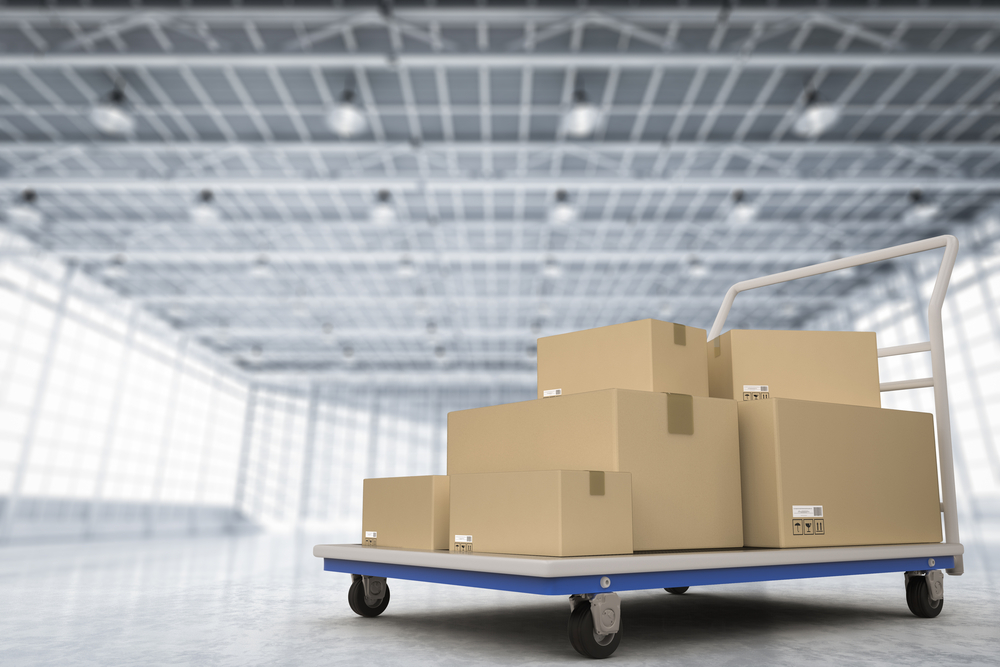
A heavy-duty trolley is a wheeled platform or cart designed to move heavier loads safely and efficiently. It normally includes a strong frame, durable platform, wheels, and one or more handles. Unlike a basic hand cart, a heavy-duty trolley is built for demanding work. It can carry boxes, tools, equipment, raw materials, and other goods across warehouses, workshops, offices, and industrial areas.
The trolley's load capacity is one of its most important features. Always check the manufacturer's stated weight limit before use. Exceeding that limit can damage the trolley and increase the risk of accidents. Wheel quality also matters. Larger wheels can make it easier to move over uneven surfaces, while swivel wheels can improve maneuverability in tight spaces. Brakes are useful when the trolley needs to remain stationary.
The platform size should match the items you plan to transport. A larger platform provides more space, but it may also require more room to turn and store. Construction materials are equally important. Steel frames are commonly selected for demanding applications because they offer strength and durability. Protective finishes can also help reduce corrosion and surface damage.
Top Strategies for Choosing the Right Trolley
Calculate the Required Load Capacity
First, identify the heaviest load you expect to transport. Then choose a trolley with a suitable capacity above that weight. Do not select a model based only on average loads. Consider occasional heavy items too. A suitable safety margin can help support reliable long-term use.
Choose the Right Wheel Type
Next, consider the floor and distance involved. Smooth indoor floors may work well with standard casters, while rough surfaces may need larger, stronger wheels. If workers need to turn frequently, swivel casters can improve control. For slopes or loading areas, models with reliable brakes can provide additional stability.
Check Platform Size and Design
Measure the products you plan to move before buying. The platform should provide enough space without making the trolley difficult to maneuver. Some designs include raised edges to help prevent items from sliding off. Other models may include removable sides or multiple platforms for specific applications.
Consider Handle Design
A comfortable handle can make repeated movement easier. Check the handle height, grip, and overall construction. For workplaces with multiple users, an ergonomic handle can improve comfort during regular tasks. It can also provide better control when the trolley is fully loaded.
Think About Your Working Environment
Consider where the trolley will be used. Warehouses, factories, hospitals, offices, and retail stores may have very different requirements. For example, a warehouse may prioritize high capacity and rugged wheels. An office may need a quieter trolley that is easier to maneuver through narrow spaces.
Compare Durability and Maintenance
A strong trolley should handle repeated use without frequent repairs. Examine the frame, platform, wheels, handles, and fasteners before making your decision. Also ask about replacement wheels and other spare parts. Easy maintenance can help extend the trolley's useful life and reduce long-term costs.
Common Mistakes to Avoid
One common mistake is choosing a trolley only by its low price. A cheaper model may not provide the strength or durability required for regular heavy loads. Another mistake is ignoring the floor surface. Small wheels may perform poorly on uneven floors, ramps, or outdoor areas. Always match the wheel design to the working environment.
Overloading is another serious issue. Even a strong trolley has a maximum capacity. Distribute loads evenly and stay within the manufacturer's recommended limit. Finally, avoid ignoring damaged wheels or loose components. Regular inspections can identify problems before they affect safety or performance.
Where to Find More Information and Resources
Before buying, start with reliable workplace safety resources. The UK's Health and Safety Executive provides guidance on workplace transport risks, including safe movement and handling practices. Manufacturers can also provide technical specifications, load ratings, wheel information, and maintenance instructions.
Product catalogs and supplier websites are useful for comparing trolley dimensions, materials, capacities, and accessories. However, always verify technical claims with the manufacturer's specifications. You can also review workplace risk assessments before selecting equipment. This helps identify factors such as floor conditions, load weights, travel distances, and user requirements.
Modern material-handling trends increasingly focus on ergonomic designs, improved wheel systems, modular accessories, and safer movement. Some businesses are also exploring powered transport equipment for repetitive or very heavy tasks. When researching a new trolley, compare more than the purchase price. Consider durability, maintenance, spare parts, warranty coverage, and expected frequency of use.
Conclusion
Choosing the right heavy-duty trolley can make material handling easier, safer, and more efficient. Focus on load capacity, wheel design, platform size, handle comfort, construction quality, and your working environment. Also, avoid overloading and inspect the equipment regularly. These simple steps can help you select a trolley that provides dependable value for years. Before buying, compare suitable models, review their specifications, and choose the option that best matches your daily handling needs.
FAQs
What is a heavy-duty trolley used for?
A heavy-duty trolley is used to move heavy or bulky materials across workplaces. Common uses include transporting boxes, tools, equipment, stock, and industrial materials.
How much weight can a heavy-duty trolley carry?
Capacity varies by model and construction. Always check the manufacturer's stated load rating and never exceed the recommended maximum weight.
What type of wheels are best for heavy loads?
Large, durable wheels are generally better for heavy loads and uneven surfaces. Swivel wheels can improve maneuverability, while brakes can provide extra stability.
Are steel trolleys suitable for industrial use?
Yes. Steel construction is commonly used for industrial trolleys because it provides strength and durability. The design should still match the required load and working conditions.
How can I maintain a heavy-duty trolley?
Inspect wheels, handles, fasteners, and the platform regularly. Clean the trolley when needed, lubricate suitable moving parts, and replace damaged components promptly.






Write a comment ...